Microsoft Azure Administration Training(Online)
By Ajay, Microsoft Certified Azure Administrator!!! (*****)
Course Description
Our Microsoft Azure Administration course teaches IT Professionals how to manage Azure subscriptions, secure identities, administer the infrastructure, configure virtual networking, connect Azure and on-premises sites, manage network traffic, implement storage solutions, create and scale virtual machines, implement web apps and containers, back up and share data, and monitor your solution.
In addition to the above topics, we cover Azure SQL and Implementing Containerized Solution as part of this course.
We also help students prepare for Microsoft Certification Exam AZ-104(Microsoft Azure Administrator) . Students will get Hands-on Labs plus over 250+ practice questions for the exam.
For course details and registration, please get in touch with Daniel at +1 267 718 1533 (Mobile & Whatsapp). We are based in Philadelphia, USA, and host affordable and comprehensive SQL Server/Azure/AWS/DevOps training programs for students around the globe.
Student Demographic
Course Introduction Video
Course Information
Ajay's Profile - Microsoft Certified Azure Administrator
Ajay is a Microsoft Certified Azure professional and has more than 4 Years of hands on experience in Microsoft Azure. He is also a Microsoft Certified Trainer, Infrastructure Engineer and DevOps enthusiast. He is an active contributor to Azure and DevOps community. His Experience in Azure Includes Azure Virtual Machines, Virtual Networks, Storage, Azure PowerShell, Azure Backup and Recovery Services, Azure Automation, Azure DevOps. He is currently working as a Senior Azure Consultant and has a passion for contributing to technical community.
Talk to Ajay
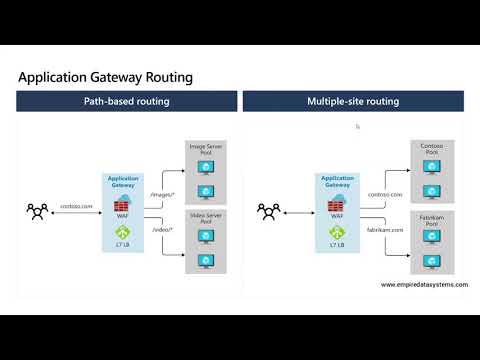
Recorded Videos of Live Class
We believe in letting our prospective students to watch recorded videos of our live training classes and decide for themselves. If you would still like to attend a one-on-one live demo session, please give call Daniel @ 267 718 1533 and he can schedule one for you at your convenience.
Course Content
Module 1: Introduction to Azure
This module introduces cloud solutions in general and then focuses on the services that Azure offers. The module goes on to describe the portals that you can use to manage Azure subscriptions and services before introducing the Azure PowerShell modules and Azure Command Line Interface (CLI) as scripting technologies for managing Azure. Finally, the module provides explanations and guidance for the use of Azure Resource Manager.
- Cloud technology overview
- Overview of Azure
- Managing Azure with the Azure portal
- Managing Azure with Windows PowerShell
- Overview of Azure Resource Manager
- Azure management services
- Use the Azure portals
- Use Azure Resource Manager features via the Azure portal
- Use Azure PowerShell
- Identify suitable apps for the cloud
- Identify services and capabilities that Microsoft Azure provides
- Use Azure portals to manage Azure services and subscriptions
- Use Windows PowerShell to manage Azure services and subscriptions
- Use Azure Resource Manager to manage Azure resources
- Use Azure Resource Manager to manage Azure resources
Module 2: Implementing and managing Azure networking
This module explains how virtual networking provides the glue that brings together VMs, web apps, and storage to enable you to publish a service onto the Internet.
- Overview of Azure networking
- Implementing and managing Azure virtual networks
- Configuring Azure virtual networks
- Configuring Azure virtual network connectivity
- Overview of Azure classic networking
- Creating an Azure virtual network by using a deployment template
- Creating a virtual network by using PowerShell
- Configure virtual networks
- Using a PowerShell script to connect a classic VNet and an Azure Resource Manager VNet
- Configuring a point-to-site VPN
- Validating virtual network connectivity
- Plan virtual networks in Azure
- Explain how to implement and manage virtual networks
- Use a deployment template and Azure PowerShell to implement Azure virtual networks
- Explain how to configure an Azure virtual network
- Describe Azure classic networking
Module 3: Implementing virtual machines
This module introduces the fundamentals of Azure Virtual Machines, and discusses the different ways in which you can deploy and manage them.
- Overview of Azure Resource Manager virtual machines
- Planning for Azure virtual machines
- Deploying Azure Resource Manager virtual machines
- Authoring Azure Resource Manager templates
- Overview of classic virtual machines
- Creating virtual machines by using the Azure portal and Azure PowerShell
- Validating virtual machine creation
- Using Visual Studio and an Azure Resource Manager template to deploy virtual machines
- Using Azure PowerShell and an Azure Resource Manager template to deploy virtual machines
- Describe main characteristics of Azure Resource Manager virtual machines
- Plan for Azure Virtual Machines
- Deploy Azure Resource Manager virtual machines
- Author Azure Resource Manager templates
- Explain IaaS v1 virtual machines
Module 4: Managing virtual machines
This module explains how to manage virtual machines including configuring virtual machines, configuring virtual machine disks, and managing and monitor virtual machines.
- Configuring virtual machines
- Configuring virtual machine disks
- Managing and monitoring Azure virtual machines
- Managing classic virtual machines
- Configuring availability
- Implementing desired state configuration (DSC)
- Implementing storage space–based volumes
- Configure virtual machines
- Configure virtual machine disks
- Manage and monitor virtual machines
Module 5: Implementing Azure App services
This module explains the different types of apps that you can create by using the Microsoft Azure App Service, and how you can select an App Service plan and deployment method for apps in Microsoft Azure. Students will learn how to use Microsoft Visual Studio, File Transfer Protocol(FTP) clients, and Azure PowerShell to deploy web and mobile apps to Azure. Additionally, they will learn how to configure web apps and use the Azure Web Jobs feature to schedule tasks, monitor the performance of web apps, and create and configure mobile apps. Lastly, they will learn how to use Azure Traffic Manager to distribute requests between two or more app services.
- Introduction to App Service
- Planning app deployment in App Service
- Implementing and maintaining web apps
- Configuring web apps
- Monitoring web apps and WebJobs
- Implementing mobile apps
- Traffic Manager
- Creating web apps
- Deploying a web app
- Managing web apps
- Implementing Traffic Manager
- Explain the different types of apps that you can create by using the Microsoft Azure App Service
- Select an App Service plan and deployment method for apps in Microsoft Azure
- Use Microsoft Visual Studio, File Transfer Protocol (FTP) clients, and Azure PowerShell to deploy web and mobile apps to Azure
- Configure web apps and use the Azure WebJobs feature to schedule tasks
- Monitor the performance of web apps
- Create and configure mobile apps
- Use Azure Traffic Manager to distribute requests between two or more app services
Module 6: Planning and implementing storage, backup, and recovery services
This module explains how to plan and implement storage, backup, and recovery services. Students will learn how to choose appropriate Microsoft Azure Storage options to address business needs. This module also explains how to implement and manage Azure Storage, and students will learn how to improve web-application performance by implementing Azure Content Delivery Networks (CDNs). Lastly, they will learn how to protect on-premises systems and Azure VMs by using Azure Backup, and they will be able to describe Azure Site Recovery capabilities.
- Planning storage
- Implementing and managing storage
- Implementing Azure Content Delivery Networks
- Implementing Azure Backup
- Planning for and implementing Azure Site Recovery
- Creating and configuring Azure storage
- Using Azure file storage
- Protecting data with Microsoft Azure Backup
- Choose appropriate Microsoft Azure Storage options to address business needs
- Implement and manage Azure Storage
- Improve web application performance by implementing Azure content delivery networks
- Protect on-premises systems and Azure virtual machines (VMs) by using Azure Backup
- Describe Azure Site Recovery capabilities
Module 7: Planning and implementing Azure SQL Database
This module explains how to plan and implement Azure SQL Database, and identify relational database services in Microsoft Azure. This module explains how to provision, configure, and manage the Azure SQL Database data-management service. Students will learn how to configure security for Azure SQL Database and monitor Azure SQL Database, as well as manage data recovery and availability for Azure SQL Database.
- Planning and deploying Azure SQL Database
- Implementing and managing Azure SQL Database
- Managing Azure SQL Database security
- Monitoring Azure SQL Database
- Managing Azure SQL Database business continuity
- Creating, securing, and monitoring an Azure SQL Database
- Migrating a Microsoft SQL Server database to Azure SQL Database
- Restoring a database
- Identify relational database services in Microsoft Azure
- Provision, configure, and manage Azure SQL Database
- Configure security for Azure SQL Database
- Monitor Azure SQL Database
- Manage data recovery and availability for Azure SQL Database
Module 8: Implementing PaaS cloud services
This module explains how to plan and deploy Azure Cloud Services. This module also explains how to manage and maintain Azure Cloud Services.
- Planning and deploying PaaS cloud services
- Managing and maintaining cloud services
- Deploying a PaaS cloud service
- Configuring deployment slots and Remote Desktop Protocol (RDP)
- Monitoring cloud services
- Plan and deploy Azure Cloud Services
- Explain how to manage and maintain Azure Cloud Services
Module 9: Implementing Azure Active Directory
This module explains how to implement Azure AD. Students will learn how to create and manage Azure AD tenants. This module also explains how to configure single sign-on (SSO) for cloud applications and resources, and implement Azure Role-Based Access Control (RBAC) for cloud resources. Lastly, this module explains the functionality of Azure AD Premium, and how to implement Azure Multi-Factor Authentication.
- Creating and managing Azure AD tenants
- Configuring application and resource access with Azure AD
- Overview of Azure AD Premium
- Administering Active AD
- Configuring SSO
- Configuring Multi-Factor Authentication
- Configuring SSO from a Windows 10–based computer that is joined to Azure AD
- Create and manage Azure AD tenants
- Configure single sign-on (SSO) for cloud applications and resources, and implement Azure Role-Based Access Control (RBAC) for cloud resources
- Explain the functionality of Azure AD Premium and implement Azure Multi-Factor Authentication
Module 10: Managing Active Directory in a hybrid environment
This module explains how to manage Active Directory in a hybrid environment. Students will learn how to extend an on-premises Active Directory domain to Azure Infrastructure as a Service (IaaS) environments and synchronize user, group, and computer accounts between on-premises AD DS and Azure AD. This module also explains how to set up SSO by using federation between on-premises Active Directory and Azure AD.
- Extending an on-premises Active Directory domain to Azure IaaS
- Implementing directory synchronization by using Azure AD Connect
- Implementing federation
- Configuring directory synchronization
- Synchronizing directories
- Extend an on-premises Active Directory domain to Azure IaaS environments
- Synchronize user, group, and computer accounts between on-premises AD DS and Azure AD
- Set up SSO by using federation between on-premises Active Directory and Azure AD
Module 11: Implementing Azure-based management and automation
This module explains how to implement Azure-based management and automation. Students will learn how to implement Microsoft Operations Management Suite (OMS) solutions and the core components of Microsoft Azure Automation. This module also describes how to implement different types of Azure Automation runbooks and manage Azure Automation by publishing runbooks and scheduling their execution.
- Implementing Microsoft Operations Management Suite (OMS)
- Implementing Azure Automation
- Implementing Automation runbooks
- Managing Azure Automation
- Configuring Automation accounts
- Creating runbooks
- Implement OMS solutions
- Implement the core components of Azure Automation
- Implement different types of Azure Automation runbooks
- Manage Azure Automation by publishing runbooks and scheduling their execution
Module 12: Implementing Containerized Solution
- Implementing docker apps in Web App
- Implementing docker apps in Azure container instances
- Implementing Azure Kubernetes Services
- Publishing docker image to Azure Container Registry
- Deploying docker image to Azure Web App
- Deploying docker image to Azure container instances
- Create AKS (Azure Kubernetes Service)
- Deploy docker image to AKS
- Host docker images in Azure Container registry
- Implement containerized application in Azure Web App service
- Implementing Azure Kubernetes services and creating Kubernetes deployment
Course Statistics
4
Years of Experience
2156
Gratified Students
26
Training Batches
6542
Training Hours
Gratified Student Feedback - From Year 2000
-
Thank you for this class. Good Curriculum, good trainer. Thank you for everything.
Course: Microsoft Azure Administration
Trainer: ROCHAK AGRAWAL
Yvette Menye
Germantown, US -
It was wonderful time during our whole course. Mr Ajay is a wonderful trainer. He is very knowledgeable and very helpful.
Course: Microsoft Azure Administration
Trainer: Ajay
MOHAMMAD S MIA
Dale City, US -
Recently I have completed Microsoft Azure Administration online classes from Mr. Ajay. So far, from my experience he is knowledgeable, patient and constructive trainer. Whatever I have learned from him it is going to help develop my career as I think as a professional Azure admin. My recommendation to anyone who wants to develop as a Microsoft high tech career, a very relievable and useful place is Empire Data Systems LLC.
Course: Microsoft Azure Administration
Trainer: Ajay
Ayan A Rashid
Dale City, US -
Great opportunity and amazing Azure Administration course.
Course: Microsoft Azure Administration
Trainer: Ajay
Antony Githinji
Tacoma, US -
This was my first time taking class outside school. It was a great experience as the teacher was always there to answer our questions.
Course: Microsoft Azure Administration
Trainer: rochak agrawal
Vanick Manfouo Lateu
Dallas, US -
I really enjoyed the training especially the material covered and the trainer was the best in class.
Course: Microsoft Azure Administration
Trainer: Rochak Agrawal
Miguel Woroniak
Los Angeles, US -
Very good Azure training with practical demos. Thank you.
Course: Microsoft Azure Administration
Trainer: Rochak Agrawal
Priyanka Gopal Patel
Detroit, US -
Excellent Azure Administration course covering MS certification exam AZ 104. Thank you !!!!
Course: Microsoft Azure Administration
Trainer: ROCHAK AGRAWAL
CYNTHIA AKWEN
Silver Spring, US -
It was a great training to understand the Microsoft Azure administration.
Course: Microsoft Azure Administration
Trainer: Rochak Agrawal
Mukund Shah
Germantown, US -
Excellent Azure Administration Course. Thank you.
Course: Microsoft Azure Administration
Trainer: Ajay
DIPAK S CHAUDHARI
Owings Mills, US -
Thank you for the great course!
Course: Microsoft Azure Administration
Trainer: Ajay
ASSELEFAW DODICHO
Silver Spring, US -
It's a great course to understand different Azure Data services in great detail so you can use them as required. Good job Deeksha.
Course: Microsoft Azure Administration
Trainer: Deeksha
Mahlet Berhane
Columbus, US -
Excellent training by Ajay. I was new to cloud concepts and he started with basics and there was no issue following the entire course. I might come back for additional Azure courses.
Course: Microsoft Azure Administration
Trainer: Ajay
Mekdes Adane Abera
Chester Springs, US -
It was an excellent experience learning about Azure Administration, thanks to Ajay he was professional with his teaching taking time explaining details.
Course: Microsoft Azure Administration
Trainer: Ajay
Onome ilovhogie
Beaumont, US -
Overall Ajay did a very good job with his instruction in a clear manner. I would recommend this course to anyone want to get in to Azure Cloud technology and grow your career. I will be interested in signing up for future classes.
Course: Microsoft Azure Administration
Trainer: Daniel AG
Daniel Malik
Cherry Hill, US -
Ajay was an excellent instructor. He was patient and supportive. I enjoyed the course and learned a lot. I highly recommend him and this course in EmpireDataSystem to anyone interested in learning Azure admin in and out.
Course: Microsoft Azure Administration
Trainer: Ajay
Ishrat Mostafi
Centreville, US -
Instructor was good at answering all the questions and very patient. Thank you
Course: Microsoft Azure Administration
Trainer: Ajay
Lizma Kodi
Washington, US -
Ajay is very knowledgeable in Azure infrastructure, explains all the topics in a very simple way so everyone can understand even they don't have a cloud background.Â
Course: Microsoft Azure Administration
Trainer: Ajay
Jaykumar Goswami
New Orleans, US -
It is a great privilege to take Azure Admin training with Ajay. Thank you for your effort!!!
Course: Microsoft Azure Administration
Trainer: Ajay
Yeshi Tegegne
Hawthorne, US -
Thank you!. It was a great training on Azure Administration and I am getting ready to take Exam AZ 104 soon.
Course: Microsoft Azure Administration
Trainer: Ajay
Yewondwossen Hailu
Lorton, US -
I really enjoyed your courses SQL server BI and Azure Administration. Ajay is great and very knowledgeable. Thank you for the awesome training. Thanks to you.
Course: Microsoft Azure Administration
Trainer: Ajay
JAMES MANICKAM
Winnipeg, CA -
Excellent Azure Data Engineering training. Thank you. I would recommend this course to people who are working in MSBI and want to take their BI expertise to Azure Cloud
Course: Microsoft Azure Administration
Trainer: Ravi
Biren Borad
Brampton, CA -
It was a very informative Azure training
Course: Microsoft Azure Administration
Trainer: Mr. Nitanshu
TEMESGEN TIRUNEM
Indian Trail, US -
It was a pleasure taking Azure Administration training with Nitanshu Sharma. He is very knowledgeable and friendly.
Course: Microsoft Azure Administration
Trainer: Nitanshu Sharma
Zahangir Alam
Lake Ridge, US -
Excellent Azure Admin training. Hands-on labs were great,.
Course: Microsoft Azure Administration
Trainer: Nitanshu Sharma
Luna Akhter
Washington, US